Hand-dived scallops from Norway, Kobe beef from Japan and... ants from the garden?
In a world where food security is becoming an increasingly pressing concern, the future of food is taking on a surprising and innovative form. This revelation occurred during a recent culinary tour of Copenhagen, where insects started to (intentionally) find their way onto the plate.



The idea of consuming insects may seem weird, but it's essential to recognise that insects have long been a part of human diets in many cultures around the world. As we face challenges such as climate change, land degradation, and the growing demand for protein, it's time to revisit this ancient food source with a fresh perspective. Look beyond the shock factor and there are a number of benefits to be found.
Reduced Environmental Impact: Insects are incredibly efficient at converting feed into protein. They require significantly less land, water, and feed compared to traditional livestock like cattle or poultry. Insect farming produces fewer greenhouse gas emissions and minimises habitat destruction.
Rich Nutritional Profile: Insects are packed with essential nutrients, including high-quality proteins, healthy fats, vitamins, and minerals. They offer a well-rounded nutritional profile that can help combat malnutrition and meet the dietary needs of a growing global population.
Circular Economy: Insect farming can be integrated into circular food systems. For example, insects can be raised on organic waste products, contributing to waste reduction and resource efficiency.
Biodiversity Preservation: By promoting the consumption of insects, we can reduce the pressure on more traditional protein sources, helping to protect biodiversity and wildlife habitats.
Economic Opportunities: The insect farming industry has the potential to create new economic opportunities, particularly in regions where traditional agriculture faces challenges.
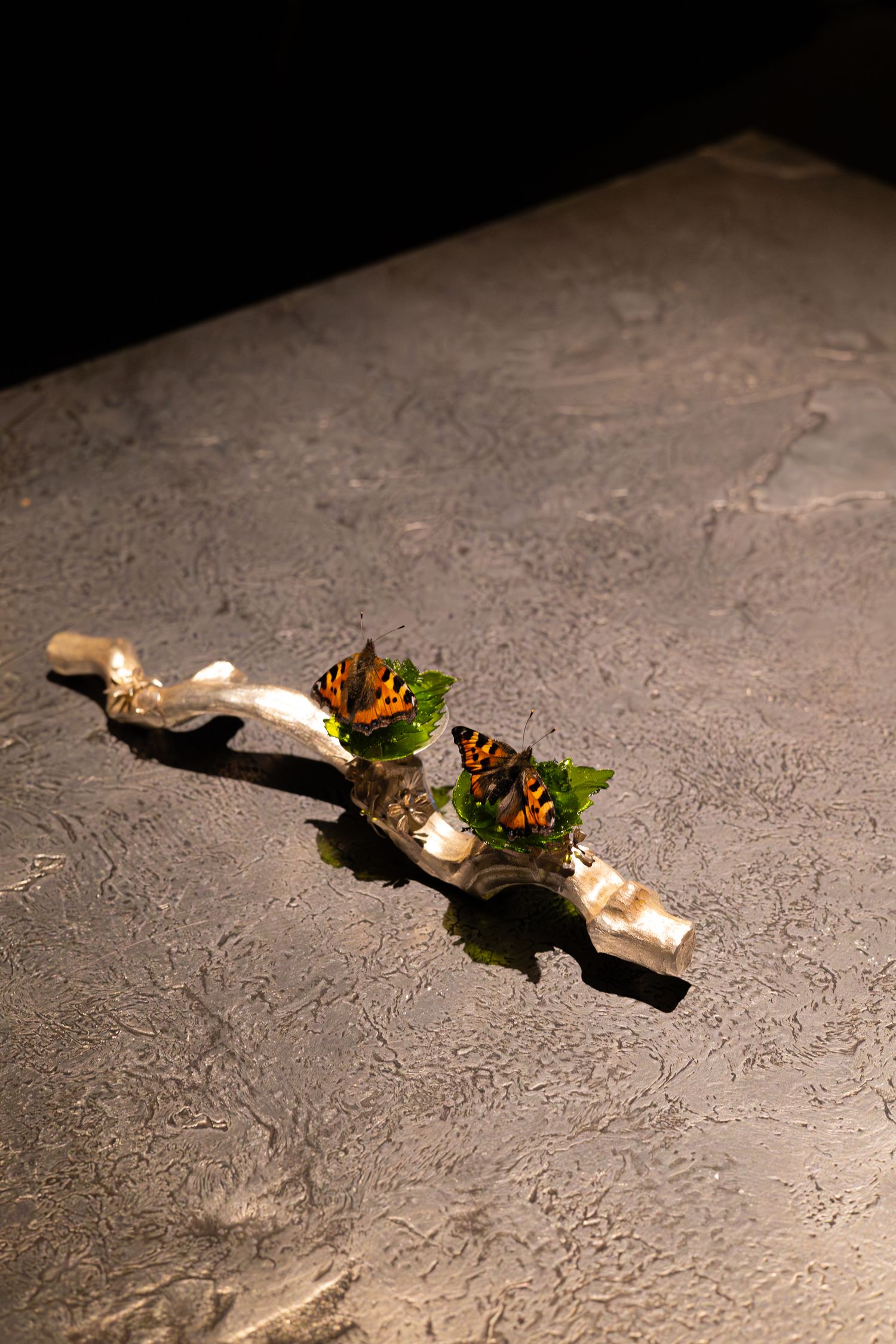
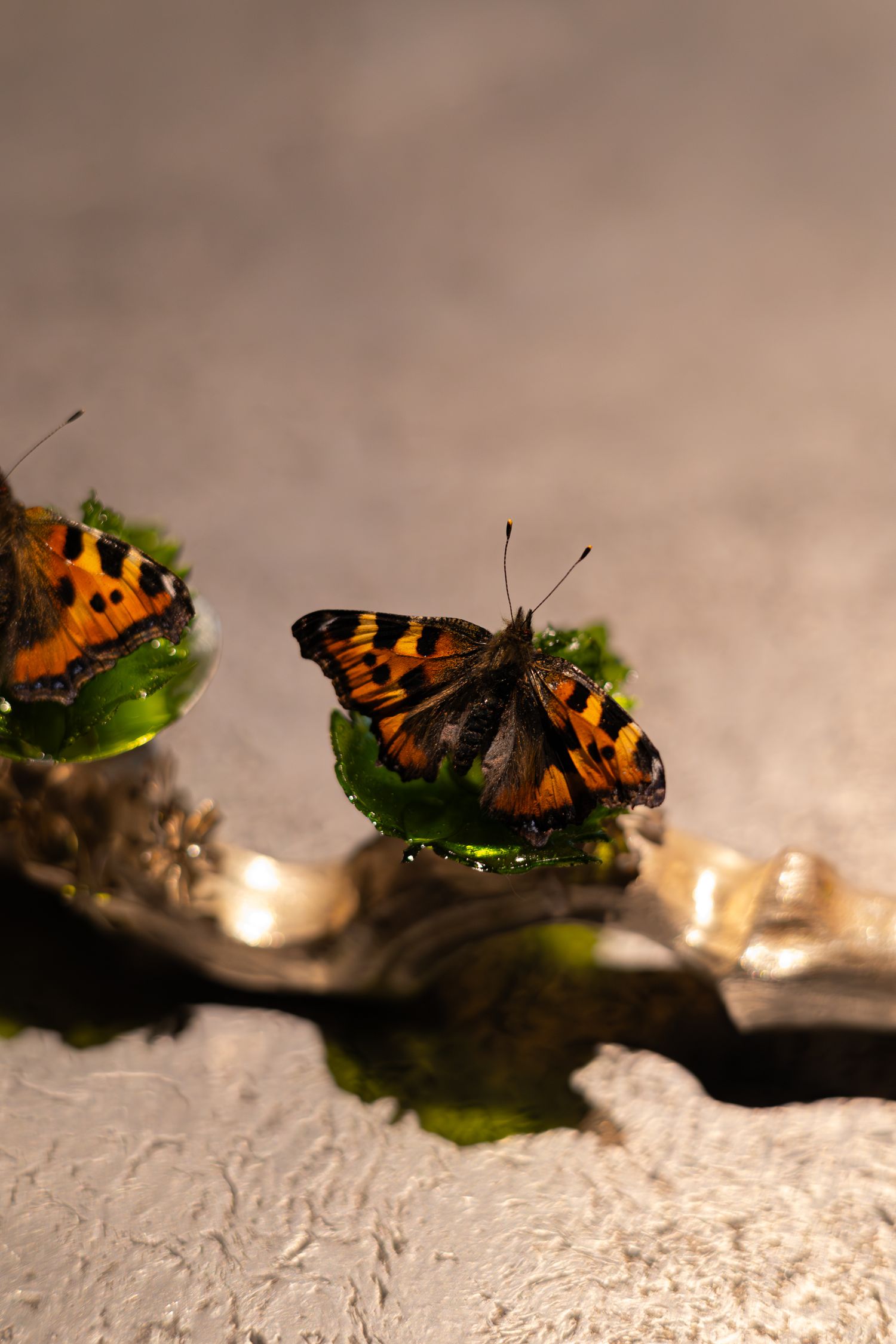

While the environmental and nutritional benefits of insects are compelling, there are still psychological barriers to overcome in mainstream Western diets. I'm not suggesting going out into the backyard to collect dinner, I am however, suggesting that we remain open to alternative protein sources like insects. The challenges we face, from climate change to food security, require creative and sustainable solutions. Insects offer a promising path toward a more resilient and environmentally friendly food system. It's time to rethink the way we eat and consider the tiny, yet mighty, creatures that might just play a vital role in shaping the future of food.
