Every year, if I’m lucky, I carve out a few weeks in the calendar to eat better, think clearer, and come back sharper.
While others chase sand between their toes and Bintangs by the pool, I chase something else entirely. Inspiration. The kind that fuels the desire to find and photograph something beautiful, to eat something exciting, and to feel both challenged and indulged all at once.
If you’ve ever come across my Instagram, you could probably guess when that creative streak hits. A flurry of posts, usually in a tight window. Then, nothing. Not because the camera’s been put down, but because that spark fades. Life resumes. Chores. Work. Gym. Grocery runs. And if inspiration isn’t strong enough to punch through that noise, I disappear.
So as I prepare for the next round of inspiration-seeking, it seems as good a time as any to talk about the last place that hit me like lightning. The kind of meal and experience you think about for hours after and talk about for even longer. One that made me pause, sit up a little straighter, and feel the uneasy thrill of being somewhere I didn’t know the rules.
It happened in London. At a restaurant called Ikoyi.
I won’t pretend the journey there was serene. An unexpected heatwave had turned the Tube into a sweaty, gridlocked mess. My backup plan, an Uber, turned a twenty-minute trip into a horn-blaring cultural immersion I could’ve done without. Between calls to the restaurant to apologise and trying to navigate peak hour, I finally arrived. Frazzled. Heart pounding. I took a deep breath, stepped inside, and exhaled.
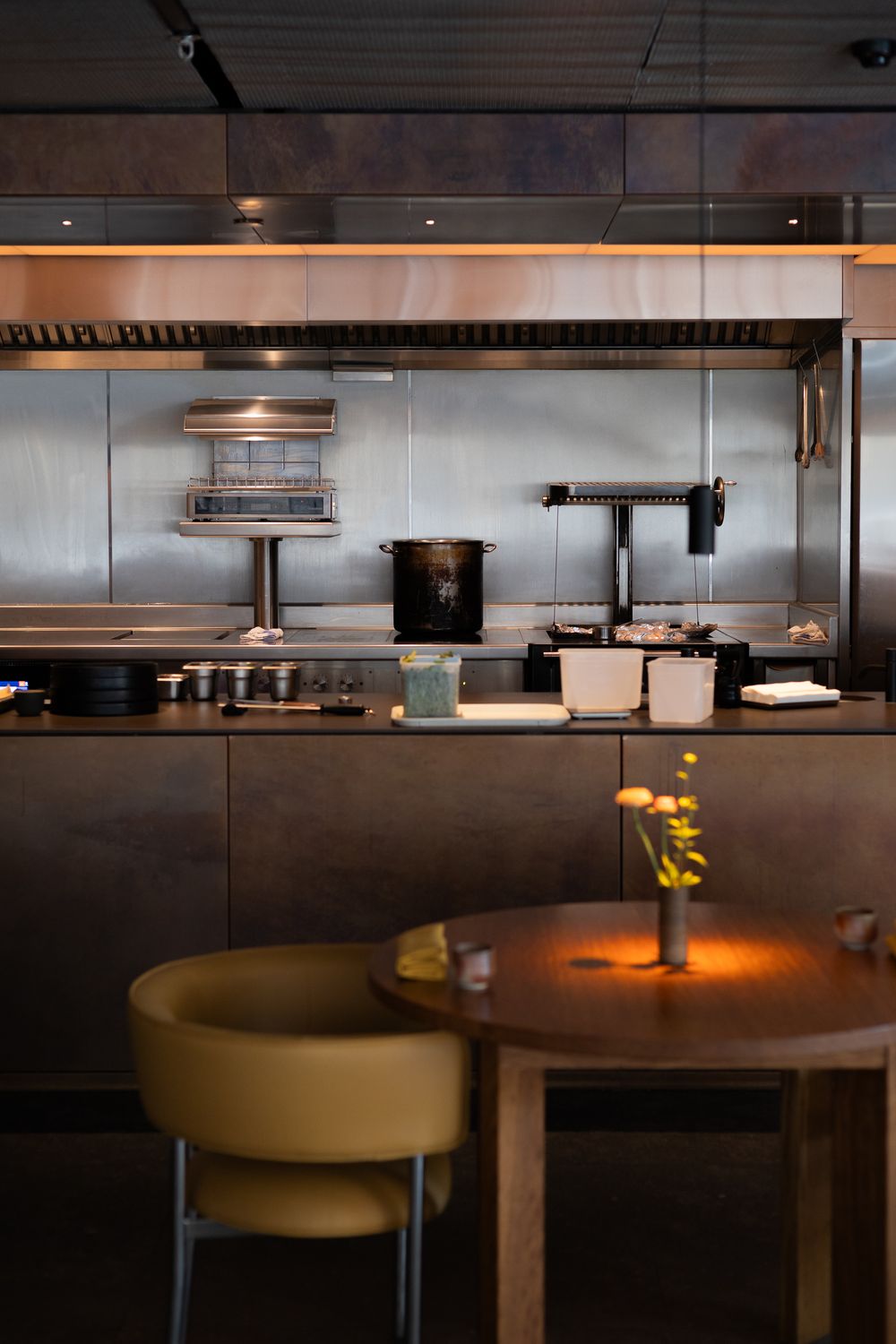
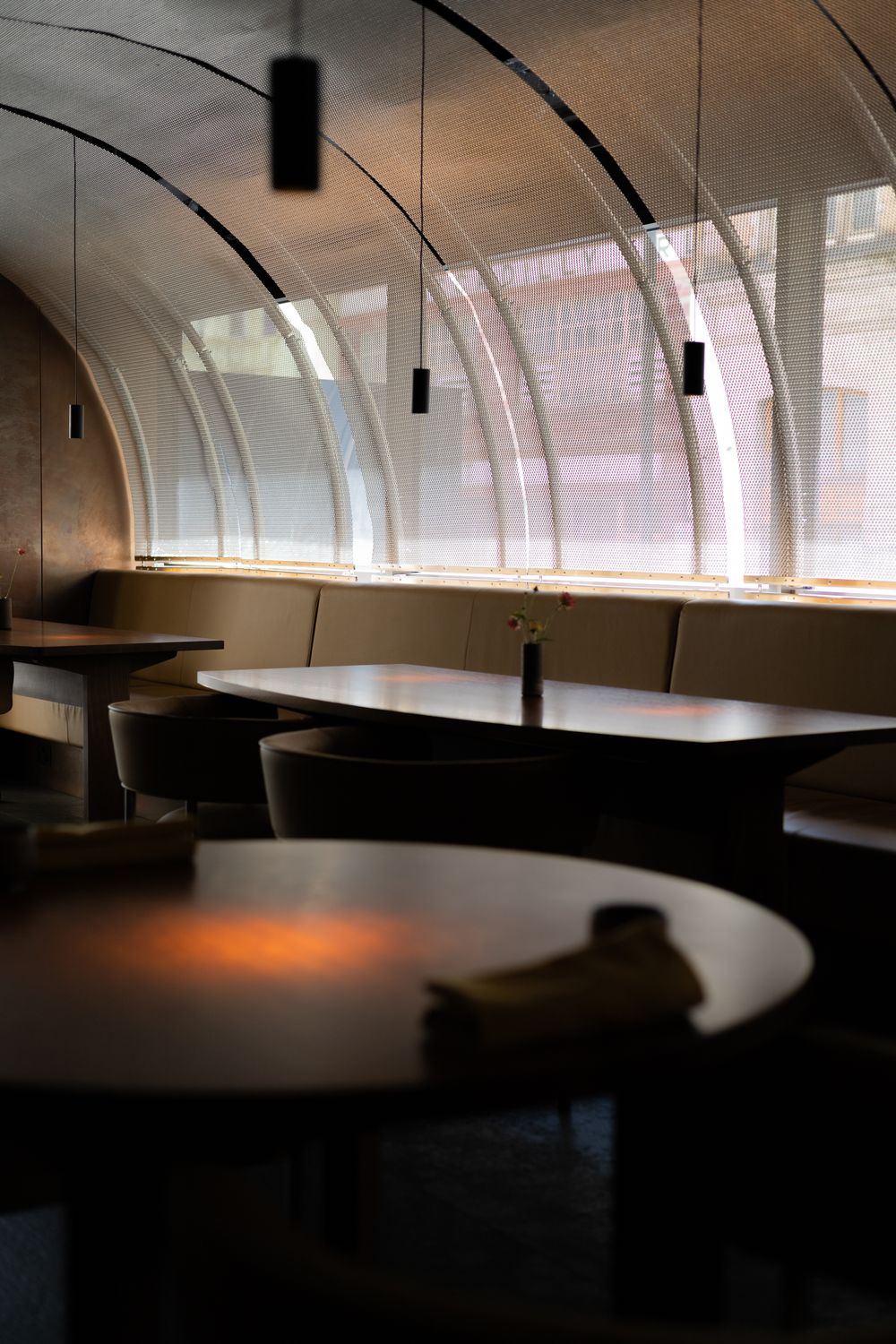
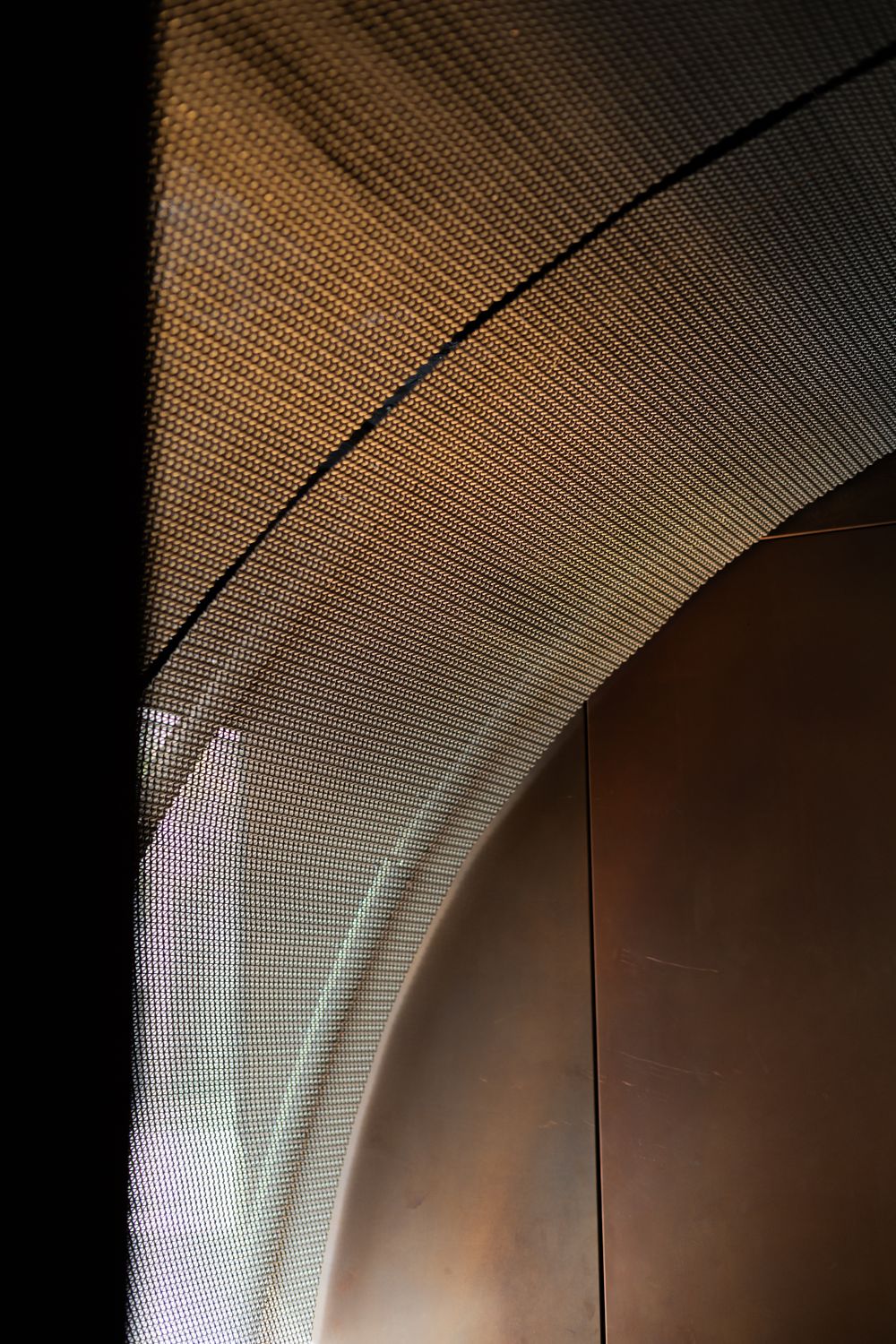
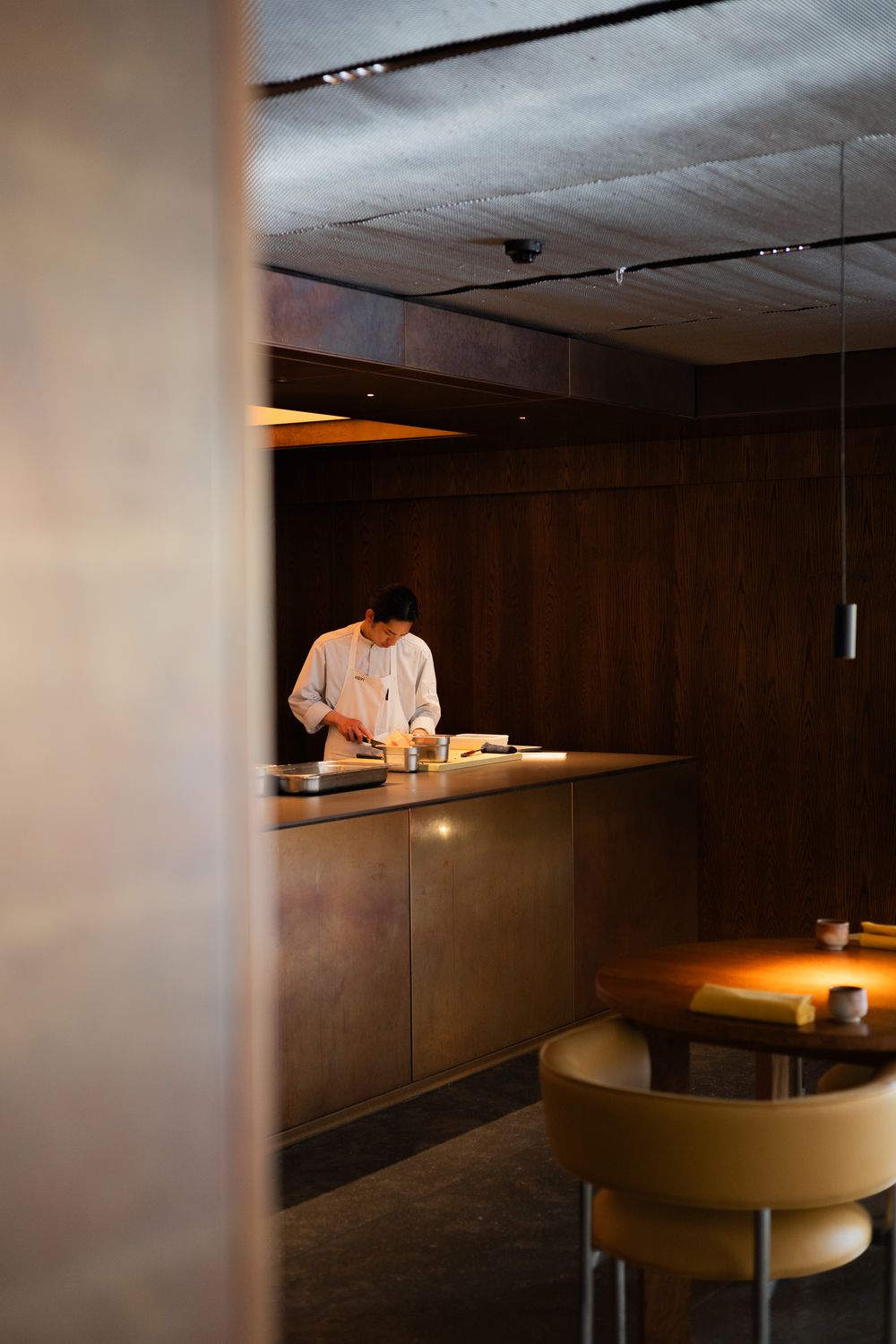
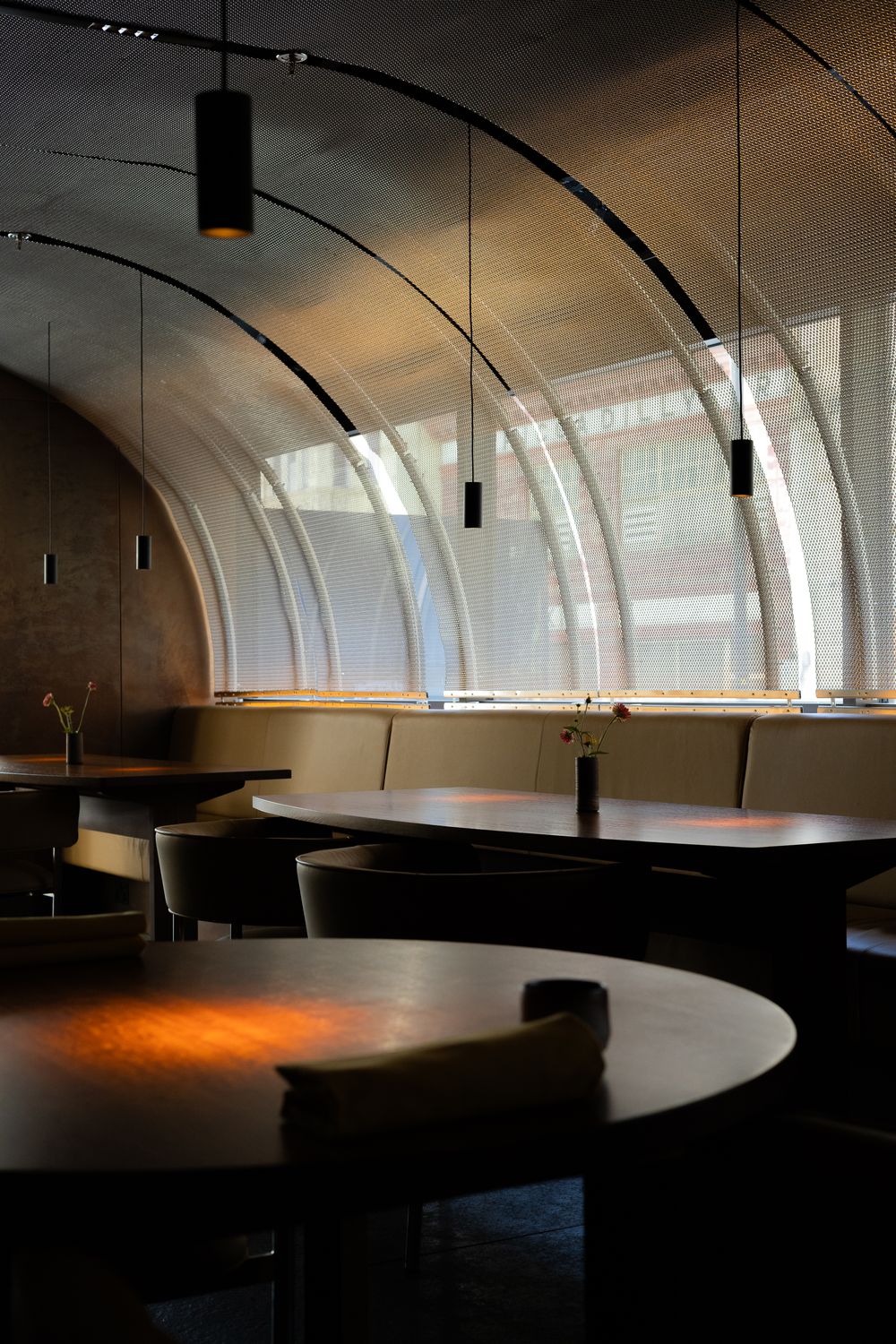
The room had its own kind of magic, warm and welcoming, dressed in patinated copper, steel mesh and leather. Designed by David Thulstrup, it was both refined and disarmingly inviting. Outside, the chaos carried on. Inside, each table was its own small world. The lighting was dialed in just right, tiny spotlights hanging above, trained solely on the plates. No clutter. No distractions. Minimalist, yes, but it gave the food the stage, letting it speak loud and clear.
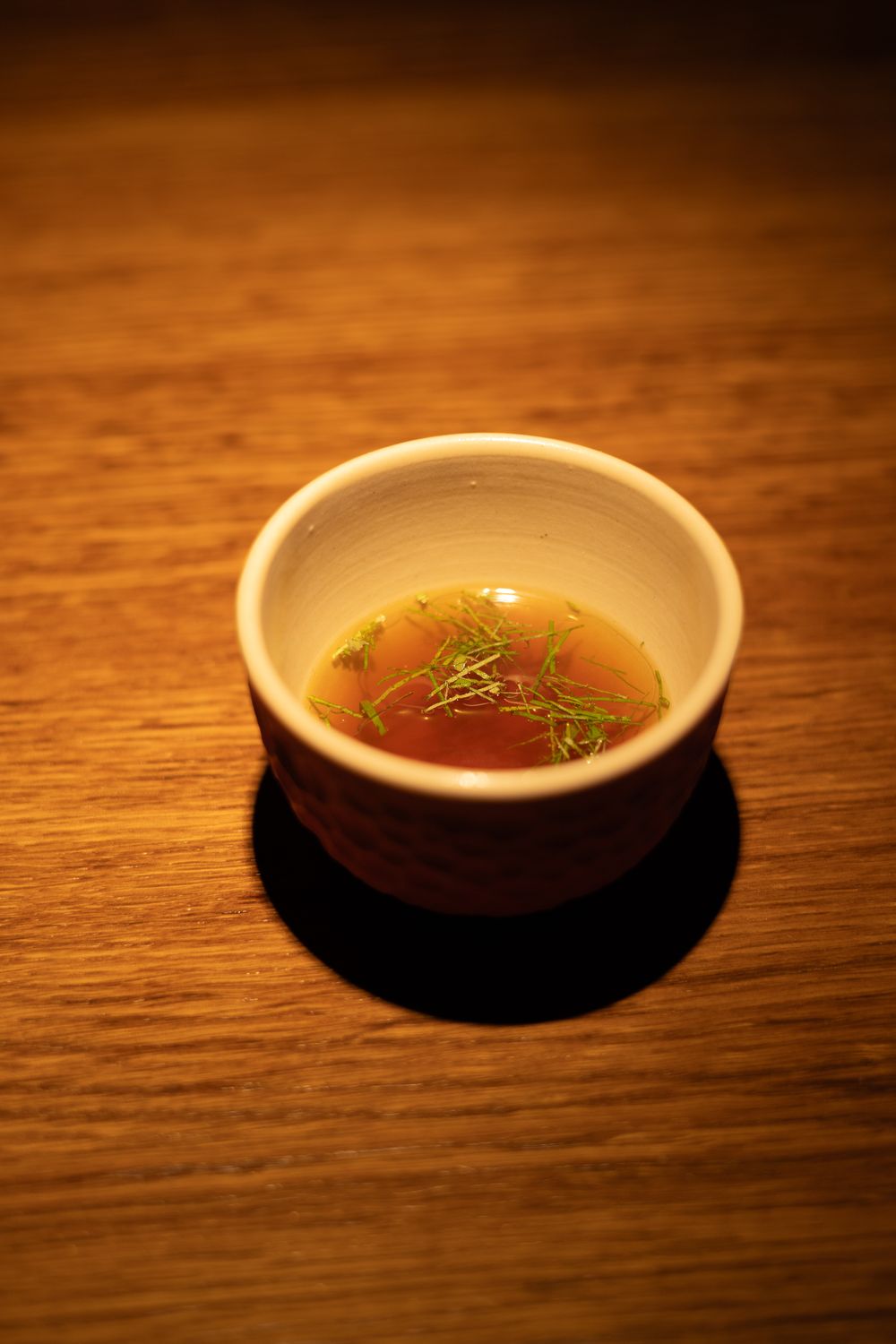
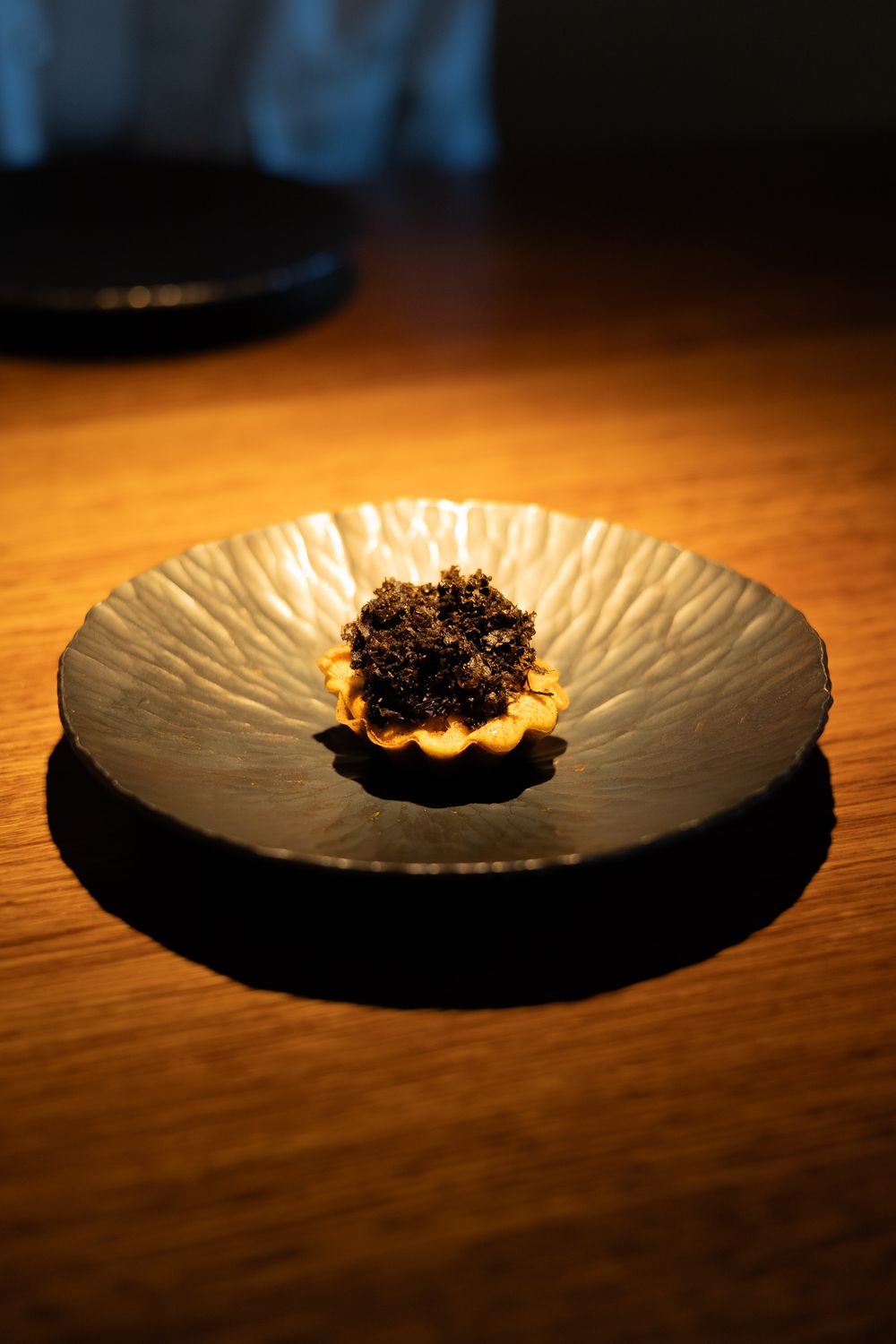
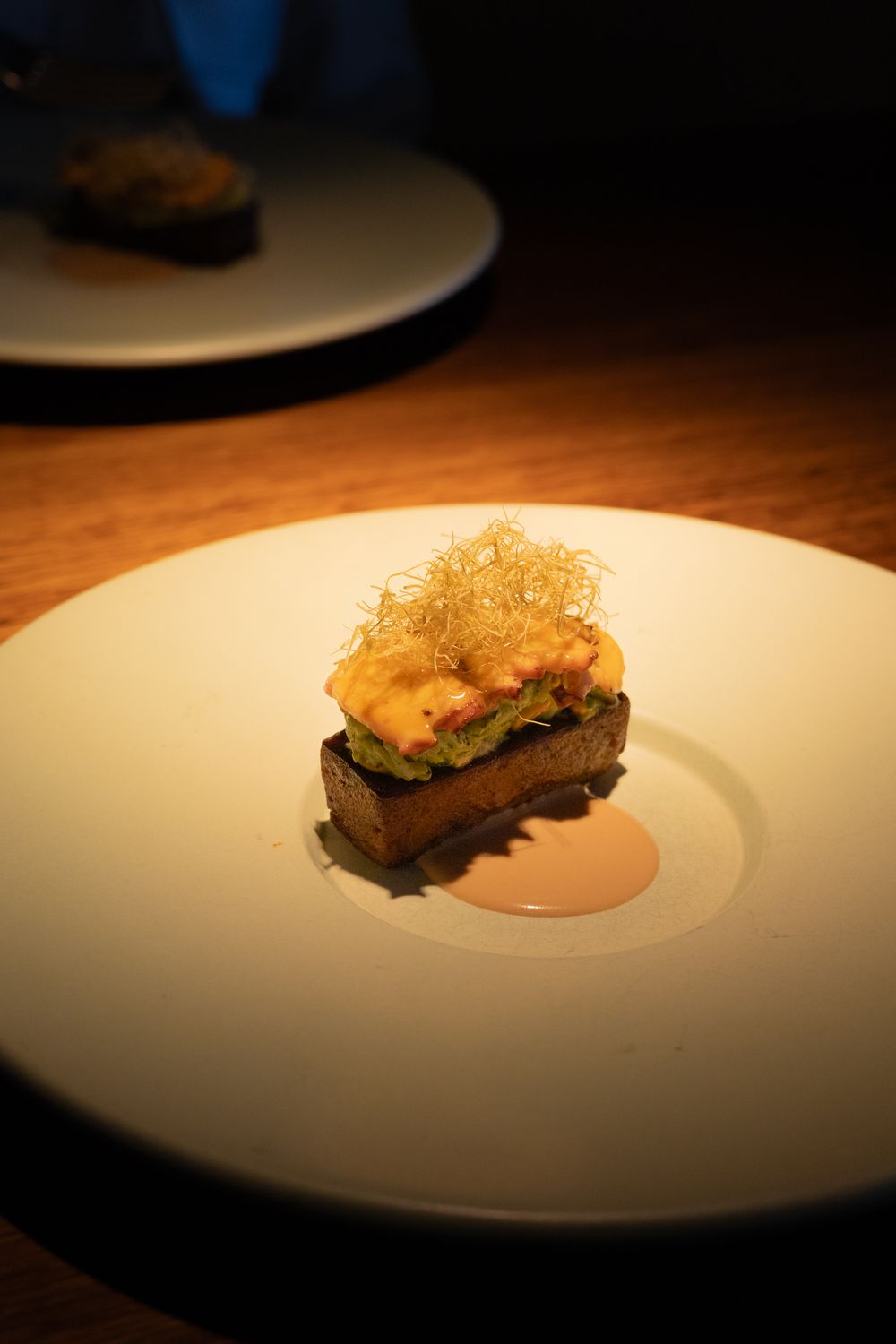
The first few courses moved with confidence. A sharp, elegant Gola pepper broth. A tart of girolles with a yeasted béarnaise that was intensely delicious. And moin moin - a steamed pudding (from Nigeria, I think) that was entirely new to me. Stacked tall with lobster, octopus and pine nut, it had a texture I hadn’t encountered before. Subtle, savoury, smooth.
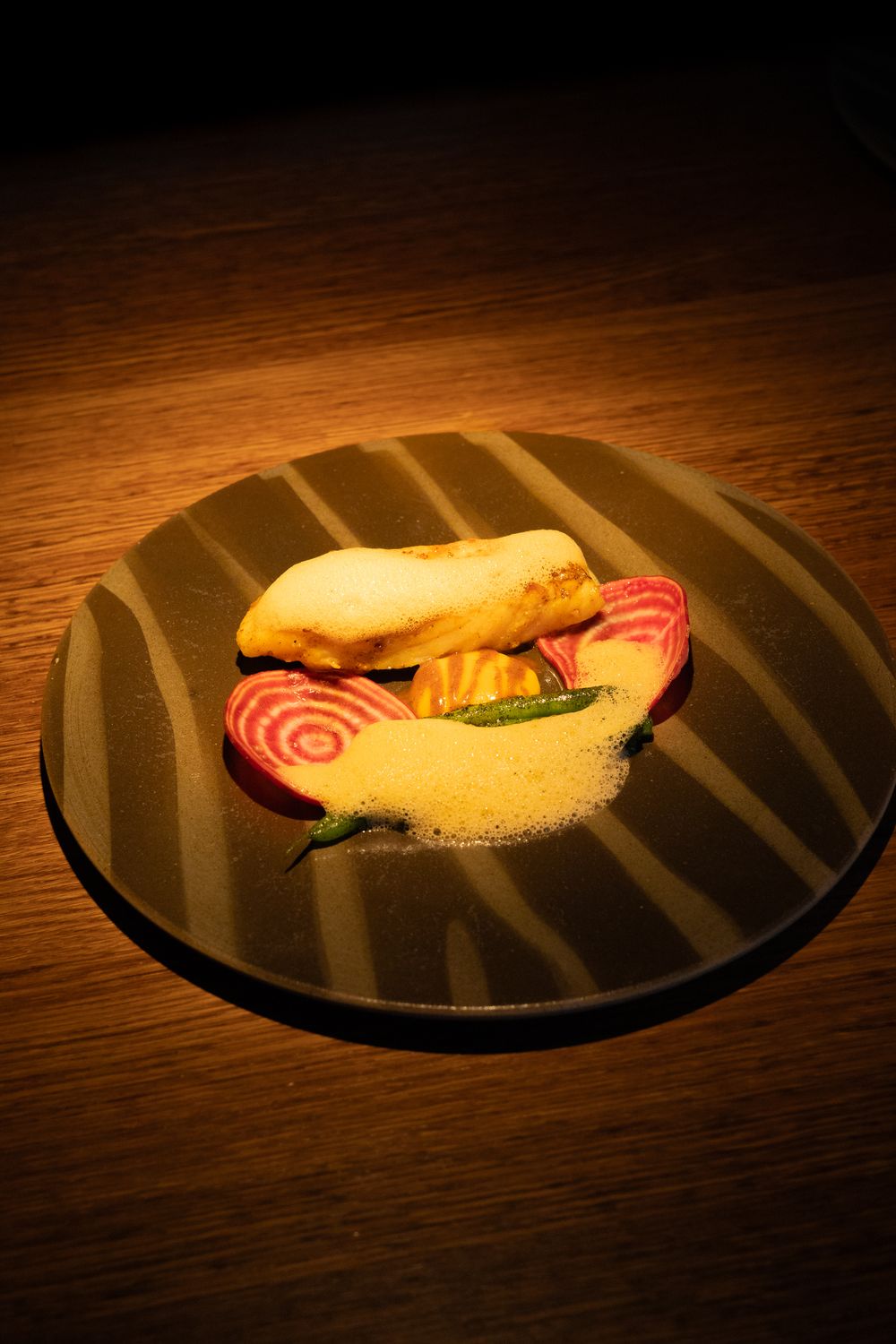
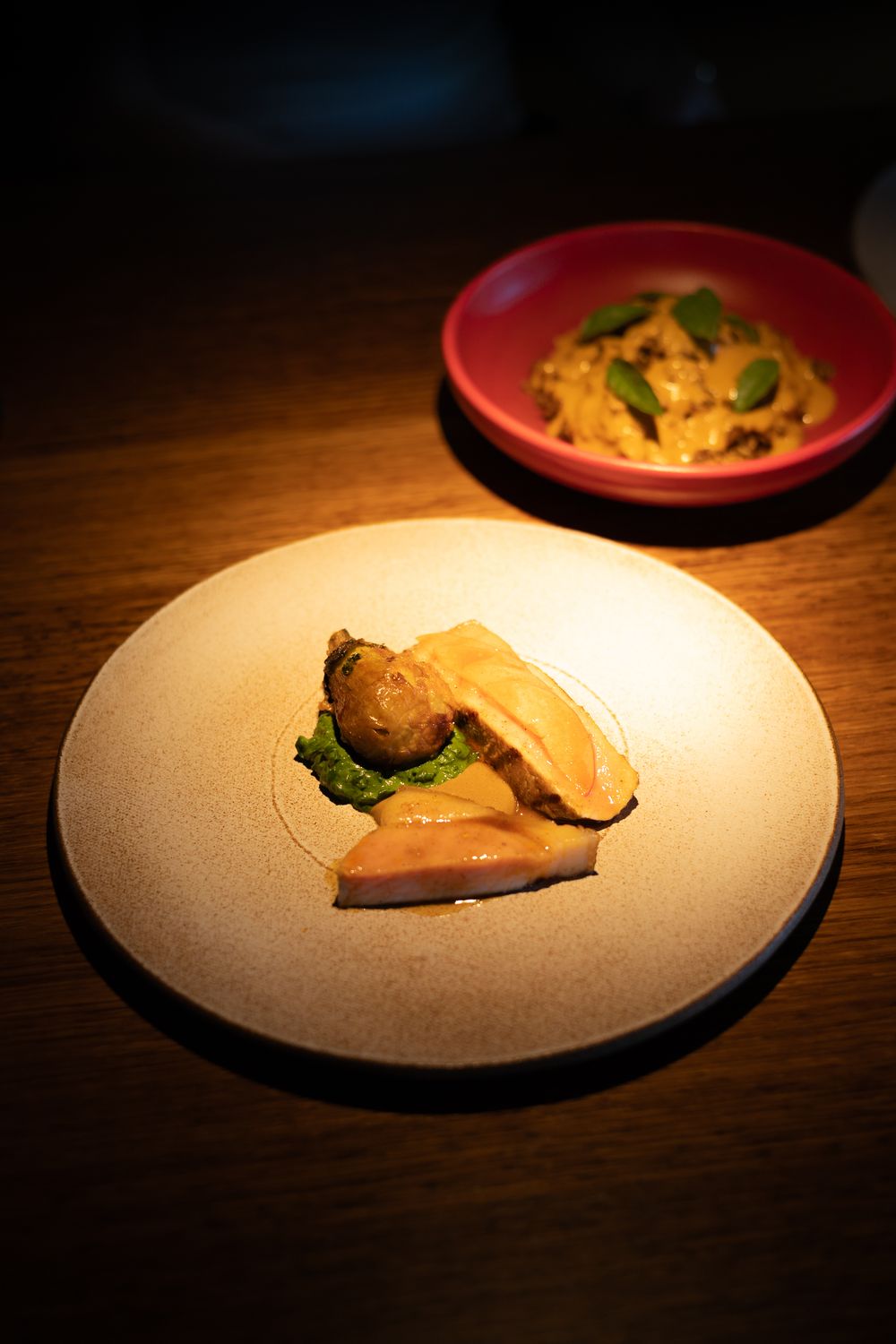
Next was my favourite fish, turbot. Dressed with a knockout crab bisque and egusi miso. But the moment came midway through the menu. And mind you, this was considered a side car to a standout heritage pork main. Smoked jollof rice.
It landed on the table surrounded by a soft plume of smoke. An iron pot of rust-coloured grains, curled at the edges with crustacean fat and fire. The first spoonful was rich with smoke - the kind that hangs in the air like memory. The rice was lacquered and indulgent with the addition of crab custard. Recipe’s at the end, for those playing at home. Read it once — you’ll get the idea.
I’d eaten jollof rice before, or at least, I thought I had. A West African staple, cooked a hundred different ways across borders and families. But this? This was something else. Not a reinterpretation. Not a replica. It was something completely new to me. Somehow familiar, yet entirely foreign. I don’t know how to explain the taste, because we’ve all had rice. I’m sure I’ve tasted those spices in different combinations. But never like this. Never in a way that left me with nothing to compare it to. I haven’t had anything like it since.
For me, that’s inspiring. To be in a place, eating a dish that feels completely new but somehow still connects.
It’s also what drives these trips I take each year. I call them research. Fuel. Whatever the label, the goal is the same. To eat something that makes me stop. To meet people who do things their own way. To feel small, curious, and full.
In a few weeks, I’m off again.
Plans are locked in. Copenhagen this time. A return to a city I have a deep affinity with. I’ll be back at Noma, a place that has quietly shaped how I think about flavour and creativity, especially through their Taste Buds program. I’ll visit Koan, where the flavours are layered with precision, the service flows with grace, and the experience feels effortlessly worthy of 24 hours of travel. And while I’ll be returning to some of my favourite spots, I’ll also make time for new ones. To meet new people, hear their stories, eat and drink well. Preferably outside, with exceptional wine, by the water.
But before I get too far ahead of myself, there’s one last dish worth mentioning.
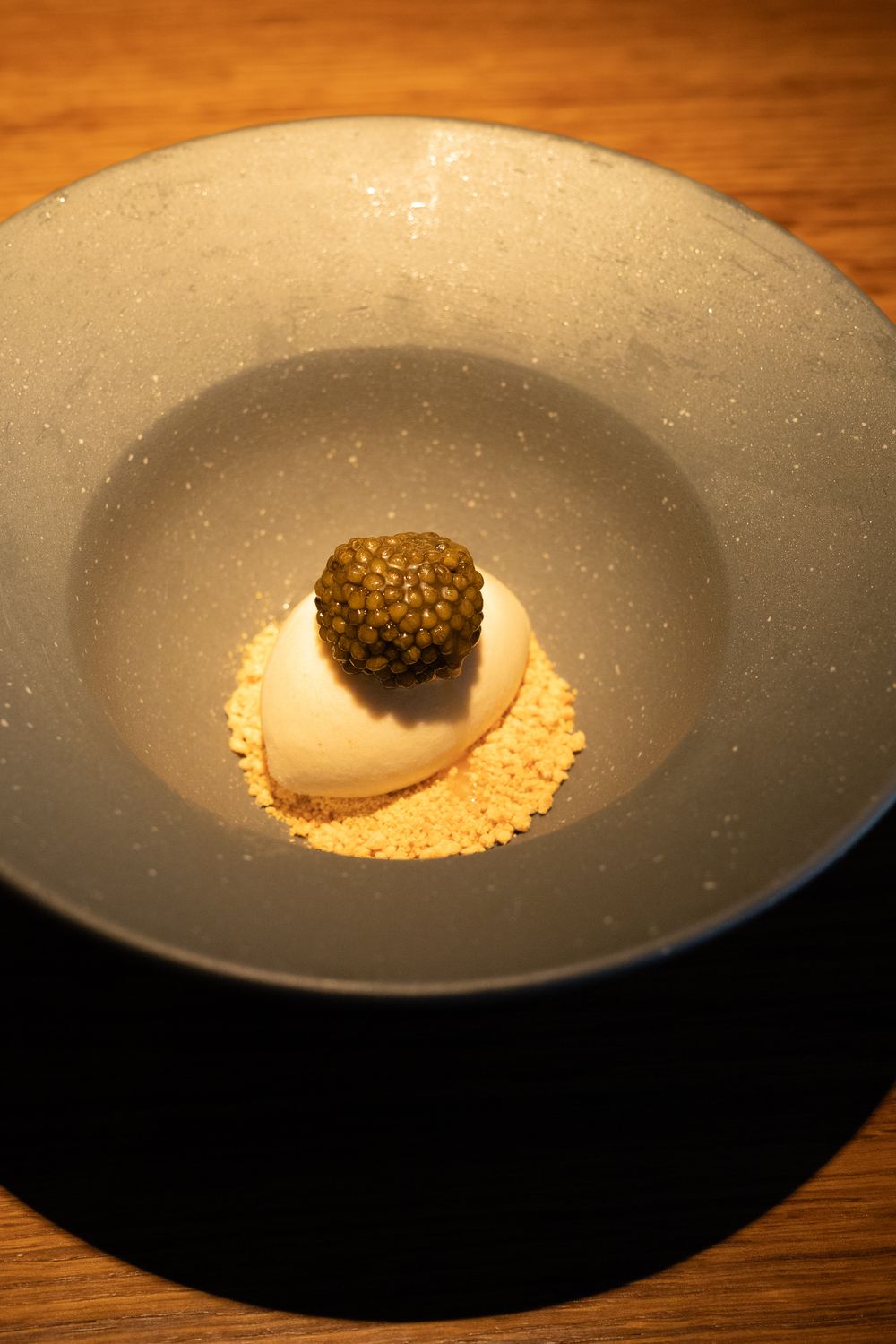
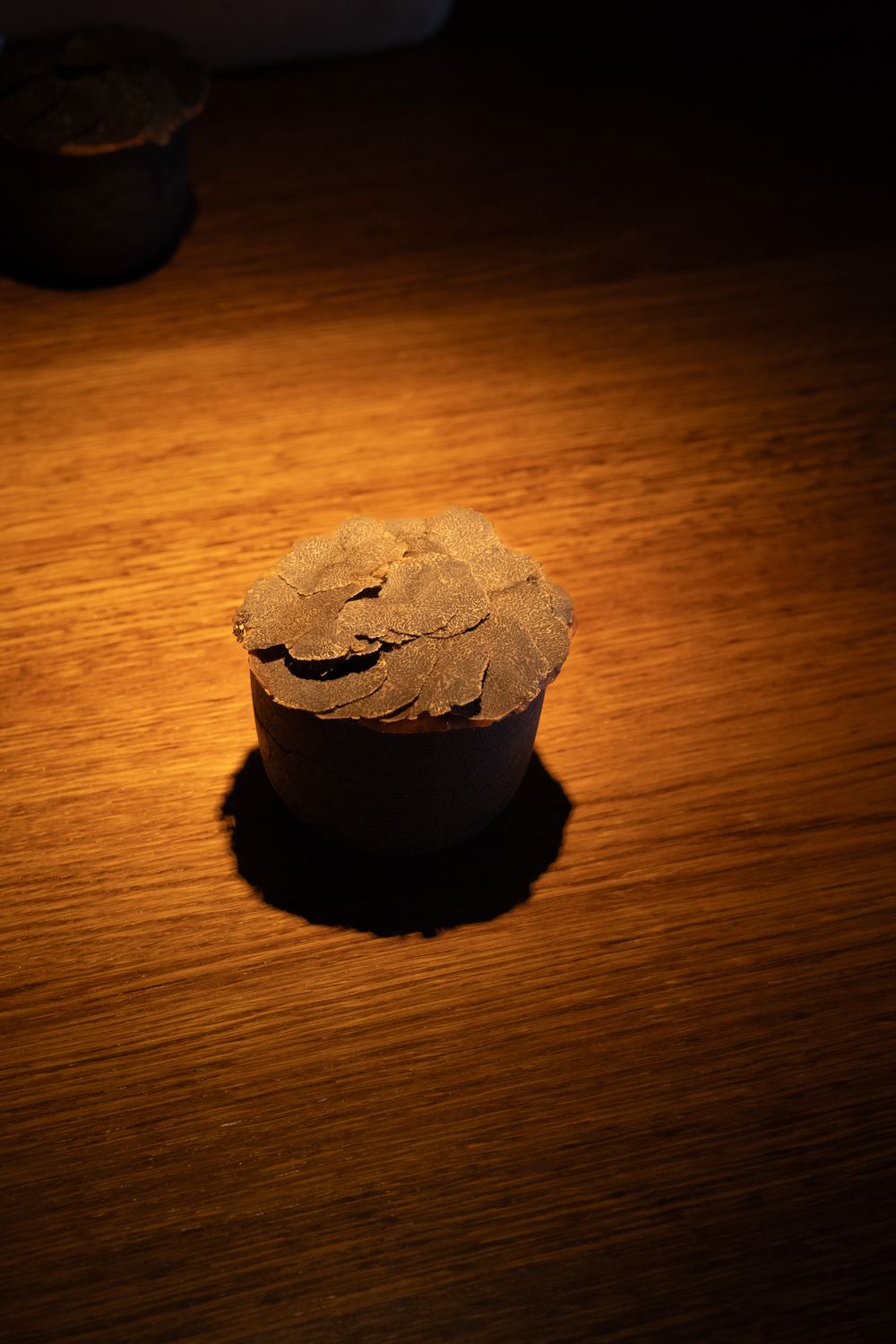
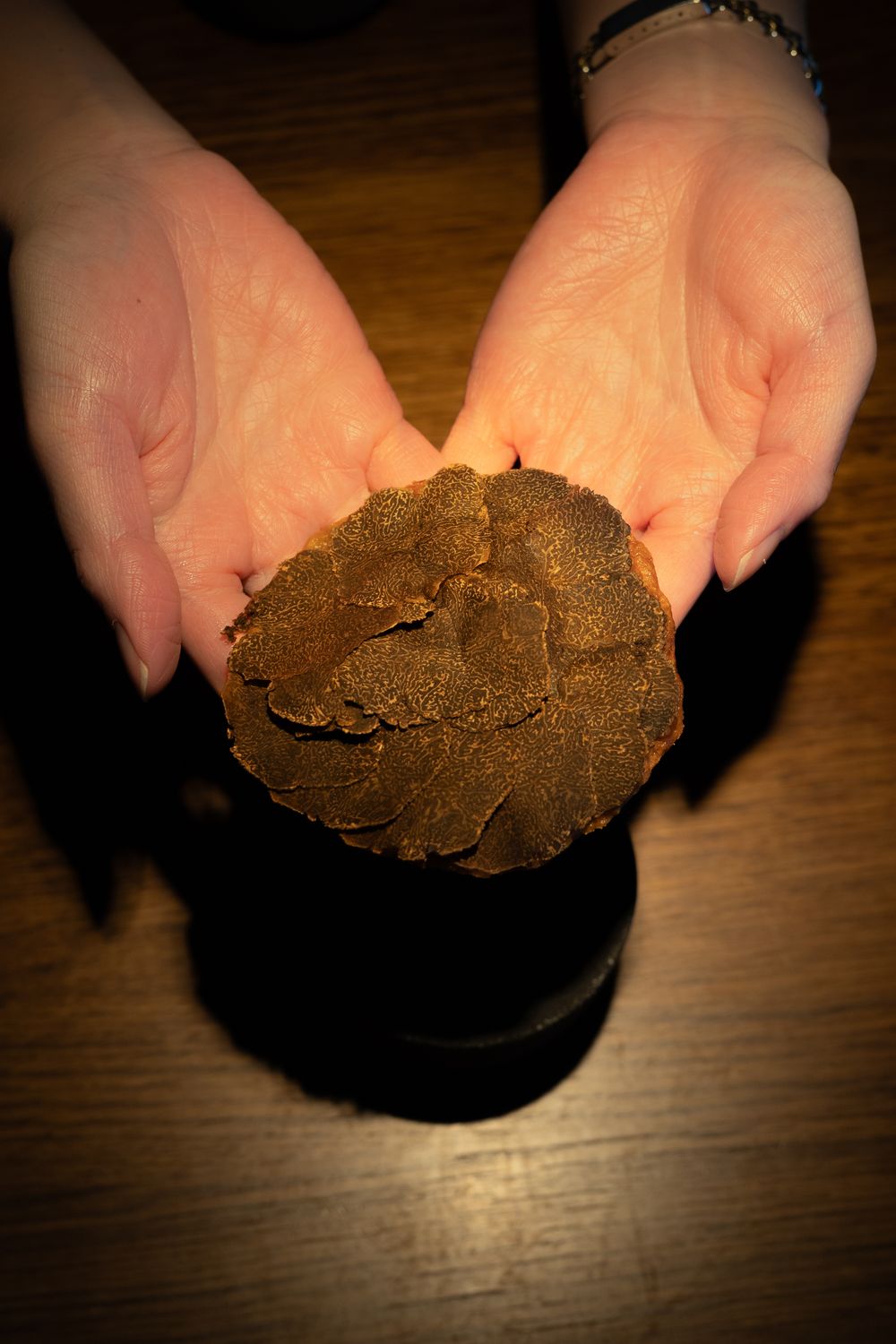
The final course at Ikoyi was a cookie - benne miso buried under an avalanche of truffle. Not a polite shaving or two. Piled. Smothered. The kind of excess that makes you laugh before you take the first bite. But when I think about that meal, it’s the rice that won’t let go.
That’s the thing. Inspiration doesn’t always swagger in under the weight of a luxury ingredient, Michelin stars, or a long-haul flight. Sometimes it’s just rice; hours of work hiding in something that looks almost humble, but refuses to let you forget it.
Here’s to chasing that spark. Again and again.



For the jollof broth:
2.5 kg Roasted Chicken Wing Stock
80 g kombu
80 g dried porcini mushrooms (ceps)
90 g chipotle powder
90 g hot paprika
60 g black peppercorns
30 g red Kampot peppercorns
15 g black Penja peppercorns
90 g madras curry powder
45 g ground cinnamon
30 g ground cumin
200 g grapeseed oil
4 kg tomatoes, quartered
1.5 kg red bell peppers, deseeded and sliced into large segments
1.5 kg red onions, sliced into large segments
150 g fresh root ginger, diced
150 g garlic, diced
30 g Scotch bonnet chiles, deseeded and sliced
90 g crayfish powder
30 g Tabasco sauce
60 g tamari
30 g fish sauce
30 g Worcestershire sauce
100 g black garlic, diced
200 g light brown sugar
60 g smoked salt
For the crab custard:
300 g whipping cream
300 g whole milk
900 g brown crab meat
200 g egg yolks
60 g fresh root ginger, sliced
40 g garlic, sliced
20 g Scotch bonnet chiles, roughly chopped
12 g smoked salt
For the wok hei paste:
125 g garlic, sliced
250 g fresh root ginger, sliced
300 g spring onions, sliced
125 g grapeseed oil
30 g Scotch bonnet chiles, deseeded and finely diced
For the rice:
1 kg fragrant Thai jasmine rice
1 kg jollof broth
grapeseed oil
filtered water (optional)
To finish:
40 g Rendered Aged Beef Fat
60 g wok hei paste
100 g crab custard
50 g turnip tops
Roasted Garlic Oil, for brushing
smoked salt
Instructions
To make the jollof broth:
In a large pot, bring the chicken stock to 70°C (158°F), then add the kombu and dried mushrooms. Take off the heat and leave to infuse for 1 hour, then strain.
Toast all the spices in a wide frying pan until fragrant, then blitz to a fine powder in a spice grinder.
Heat 150 g of the grapeseed oil in a deep pot until smoking hot, then add the tomatoes. Leave the tomatoes to fry in the oil until they begin to split and catch on the bottom of the pan. Stir, then continue to fry over high heat until most of the liquid has been reduced.
Preheat the plancha to high. Toss the peppers, onions, ginger, garlic, and chiles lightly in the remaining grapeseed oil and place in an even layer on the hot grill. Allow them to smoke and burn, but make sure they don’t overcook on the inside, and turn them to ensure they are all evenly blistered. Add them to the pot with the reduced tomatoes, along with all the spices and the crayfish powder, Tabasco, tamari, fish sauce, Worcestershire sauce, black garlic, sugar, and smoked salt. Add the infused chicken stock and simmer the broth, covered, until all the vegetables are cooked through.
Blitz the broth in a blender for 5 minutes until very smooth, adding some filtered water if necessary, then pass through a chinois. Store the broth in an airtight container in the fridge and use within 1 week.
To make the crab custard:
In a blender, blitz together the whipping cream, milk, crab, egg yolks, ginger, garlic, and Scotch bonnet for 2 minutes.
Pour the resulting custard into a wide pan and cook gently, whisking and scraping the edges with a spatula until the mixture coats the back of a spoon. Pass the custard through a chinois and season well with smoked salt. Store the custard in an airtight container in the fridge and use within 2 days.
To make the wok hei paste:
Place the garlic, ginger, and spring onions in a food processor and blitz to form a smooth paste. Place the paste into a deep pot. In a separate pan, heat the oil to 280°C (536°F) and then carefully pour it over the paste, stirring quickly.
Let the paste cool, then fold in the diced Scotch bonnets. Store in an airtight container in the fridge and use within 1 week.
To prepare the rice:
Rinse the rice gently, changing the water until it runs clear, then drain and allow the grains to dry.
Preheat the oven to 100°C/210°F/Gas Mark 1⁄4.
Bring 1 kg of the jollof broth to a simmer.
Toast the rice grains in grapeseed oil, then place into large, flat Gastronorms. Pour over the broth; it should equal the weight of the rice. Loosen each tray of rice with some filtered water if necessary, then steam in the oven for 20 minutes.
Remove from the oven and steam for a further 2–3 minutes until the rice is spongy but al dente. Leave to cool at room temperature, breaking it up with your hands and adding some cold butter and oil to further break apart the grains. Once cool, the rice can be stored in an airtight container in the fridge for up to 3 days.
To finish:
- Heat a nonstick frying pan over high heat, then add the beef fat, along with 70 g of rice per person and the wok hei. It should take only 30–45 seconds to cook the rice if the pan is hot enough. The grains should be shiny (but not oily) and extremely fragrant.
- At the same time, warm 100 g of the crab custard in a small pot until barely warm. The residual heat of the rice will continue to heat the custard.
- Prepare a handheld smoker filled with oak chips. Quickly grill the turnip tops and brush with roasted garlic oil and smoked salt. Divide the rice between two sharing bowls and glaze with the custard so it evenly coats the top layer of rice. Finish with the turnip tops and firmly place a lid on top. Insert the nozzle of the smoker under the lid, smoke the rice, and leave to infuse for 1 minute before serving.
Recipe excerpted from Ikoyi © 2023 by Jeremy Chan.
