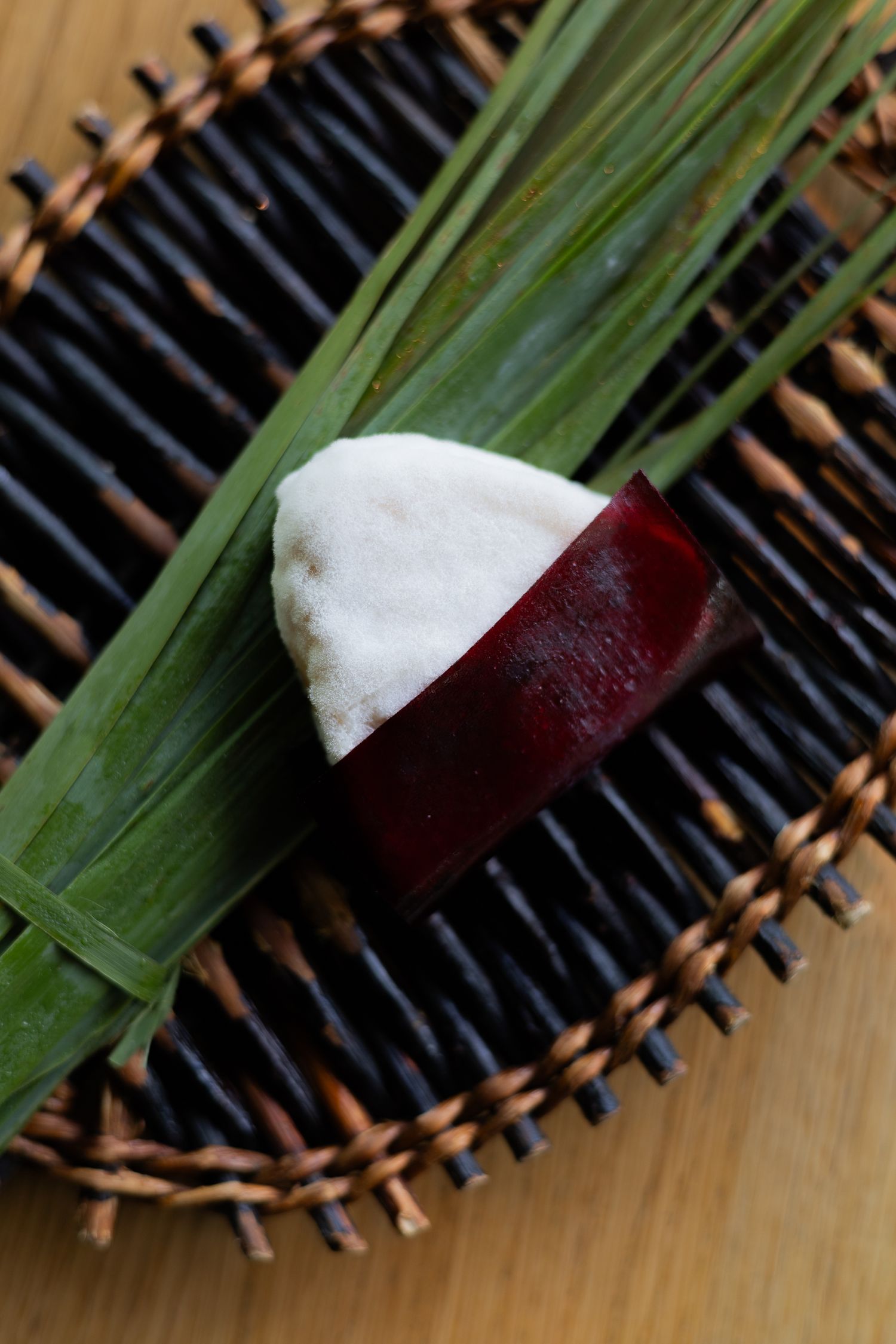
When most think of mould, they envision spoiled food, forgotten lunches, or perhaps that week-old slice of bread that has taken on a slightly fuzzier appearance. But if you really lean into the universe of mould, you'll find that it has been an agent of profound change - influencing cultures, cuisines, and even our consciousness.
The story of mould is entwined with human history in a dance of co-evolution. From the moment our ancestors stored food, mould was there. And while early humans might have discarded the 'spoiled' grain or fruit, they eventually observed its transformative magic. Take fermentation for example – a product of wild moulds and yeasts – leading to some of our earliest and most cherished foods. Think of soy sauce, with its rich umami flavour, or the tang of a good blue cheese. Behind these beloved tastes? Mould.
Even more importantly, mould was pivotal in the development of alcoholic beverages. Ancient peoples stumbled upon fermentation when they noticed that stored grains or fruits sometimes produced a liquid that had a rather pleasant (and intoxicating) effect. This was mould and yeast doing its thing. Before long, beverages like beer became central to religious rituals, trade, and daily life.
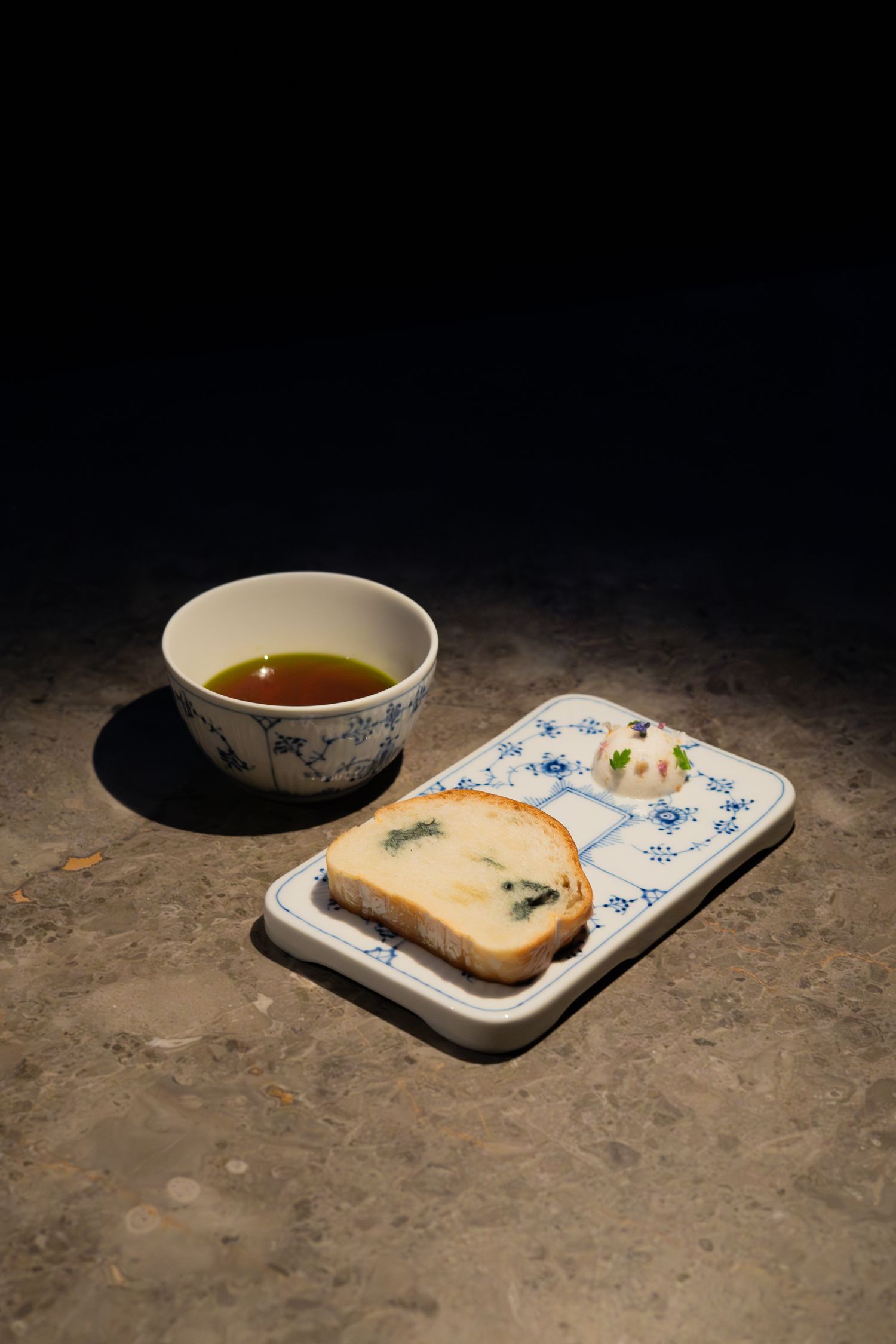
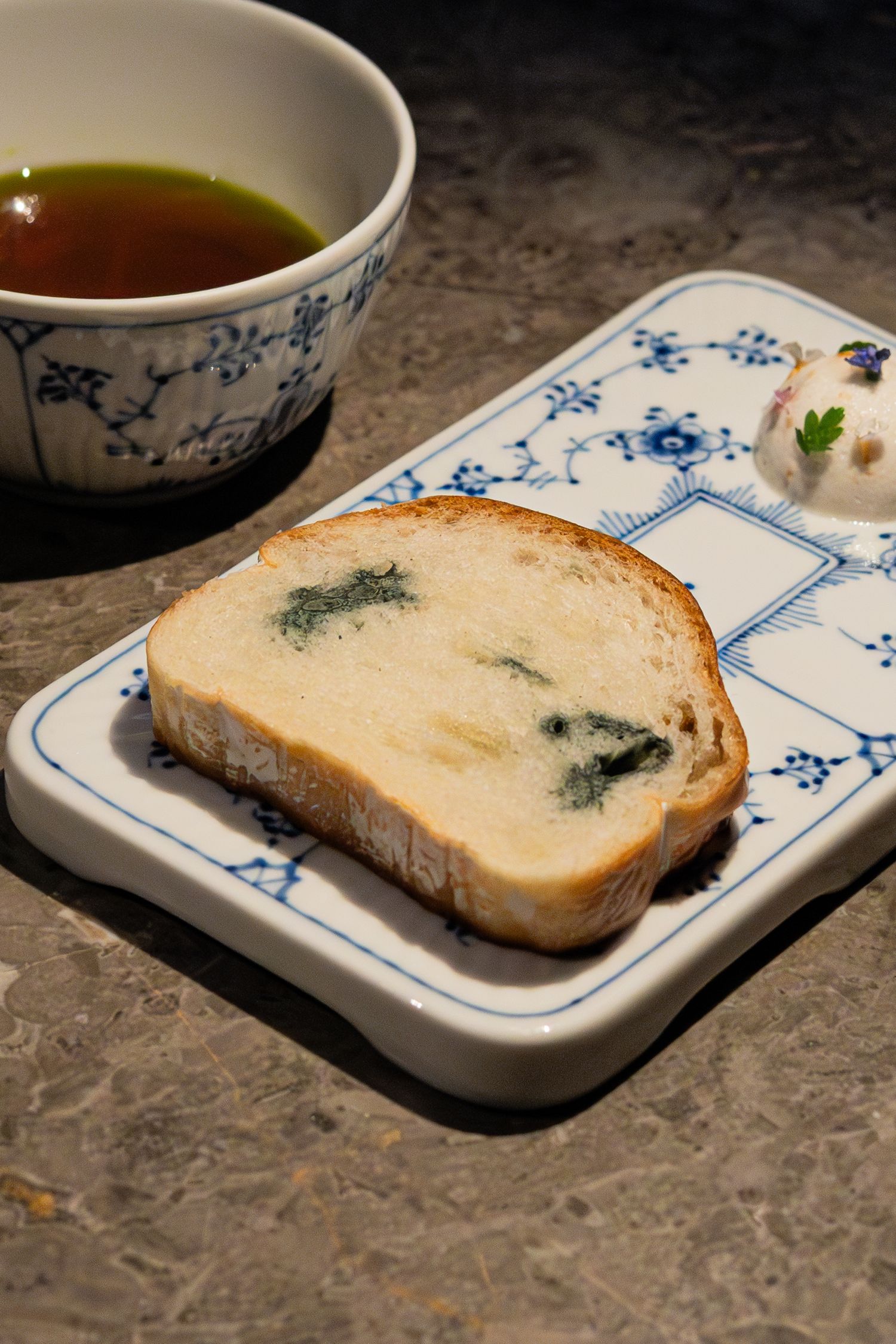
The next time you encounter mould – on your cheese, on a tree, in a lab – take a moment to appreciate its legacy. Mould is more than just nature’s recycler. It’s a testament to resilience, adaptability, and evolution – attributes that we, as humans, should aspire to emulate.
From the crust of a sourdough bread to the penicillin in our dispensary, mould’s fingerprints are everywhere. As we move forward, pushing the boundaries of food, science, and culture, let’s remember to give a nod to the tiny fungi that have, in many ways, made it all possible.